Over the past two decades, Korean movies have gone from being regional favorites to global cultural events. With bold storytelling, emotional depth, and genre-defying narratives, South Korean cinema has captured the attention of international audiences, critics, and award bodies alike. Some films didn’t just succeed abroad — they changed how the world views Korean cinema.
Here are the Korean movies that truly became global phenomena and helped put South Korea on the world’s cinematic map.
Parasite (2019)
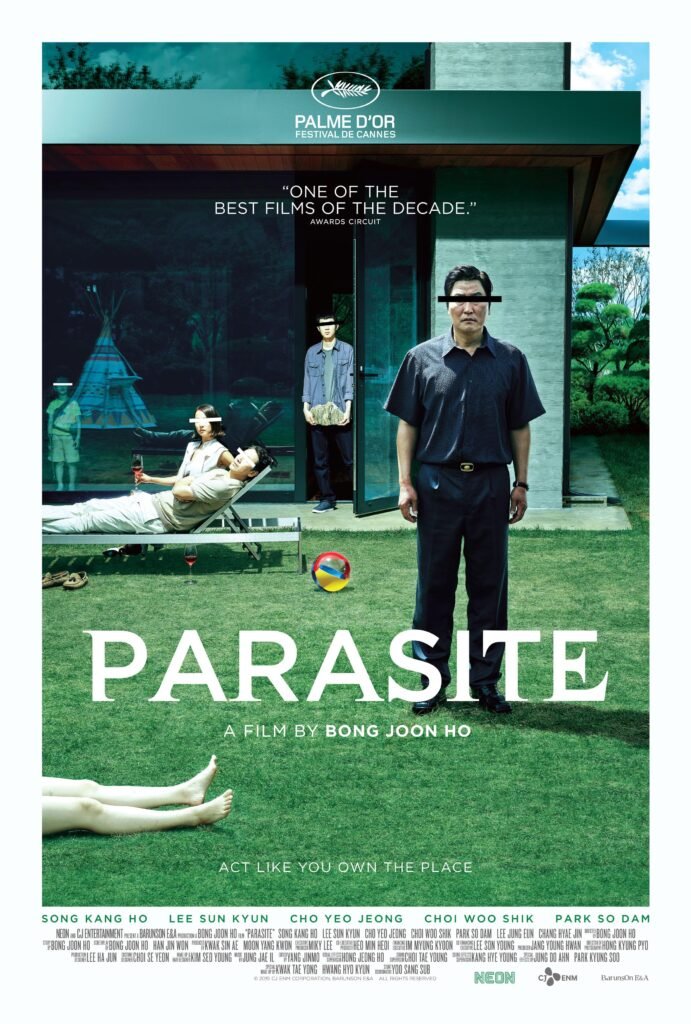
No discussion of global Korean cinema is complete without Parasite. Directed by Bong Joon-ho, the film became a worldwide sensation for its sharp social commentary, dark humor, and unpredictable storytelling. It made history by winning the Academy Award for Best Picture, becoming the first non-English-language film to do so.
Parasite resonated globally because its themes of class inequality and survival felt universal. The film sparked conversations across cultures and introduced millions of viewers to Korean cinema for the first time.
Train to Busan (2016)
What began as a zombie thriller quickly became an international hit. Train to Busan stood out not just for its intense action, but for its emotional core. The film blended horror with human drama, focusing on sacrifice, morality, and love during a crisis.
Its success at international film festivals and on streaming platforms turned it into a cult favorite and proved that Korean genre films could compete with Hollywood blockbusters.
Oldboy (2003)
Long before Korean cinema went mainstream, Oldboy shocked and fascinated audiences worldwide. Directed by Park Chan-wook, the film gained international acclaim for its brutal storytelling, iconic hallway fight scene, and unforgettable plot twist.
Winning the Grand Prix at the Cannes Film Festival helped solidify Oldboy’s status as a global classic and inspired countless filmmakers around the world.
The Host (2006)
The Host redefined the monster movie genre by mixing horror, comedy, and social commentary. Directed by Bong Joon-ho, the film became a massive box-office success both in Korea and internationally.
Its global appeal came from its relatable family dynamics and subtle political themes, proving that even creature features could carry meaningful messages.
Burning (2018)
Though quieter than some blockbusters, Burning became a global talking point among critics and film enthusiasts. Adapted from a Haruki Murakami short story, the film gained international acclaim for its slow-burn tension and ambiguous narrative.
Its universal themes of obsession, class disparity, and alienation made it a favorite at film festivals and among global audiences seeking deeper cinema.
Snowpiercer (2013)
While an international co-production, Snowpiercer is firmly rooted in Korean filmmaking sensibilities. Directed by Bong Joon-ho, the film featured a multinational cast and a dystopian storyline centered on class struggle.
Its success worldwide showed that Korean directors could lead large-scale global productions without losing their unique voice.
The Man from Nowhere (2010)
This action thriller gained international popularity for its emotional storytelling and intense fight choreography. The Man from Nowhere influenced action films worldwide and helped redefine the Korean action genre on the global stage.
Its success later inspired remakes and comparisons to major international action franchises.