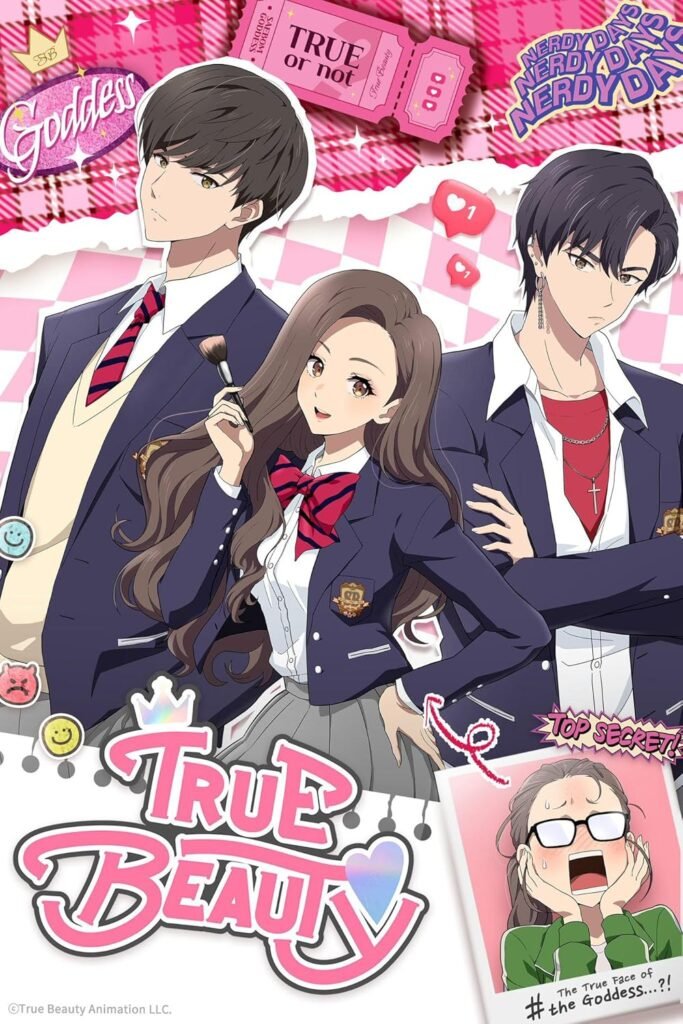
Webtoons have become a goldmine for Korean drama adaptations. These vertical comics, with their built-in fanbases and visual storytelling, translate remarkably well to television. From romantic comedies to supernatural thrillers, webtoon-based K-dramas are dominating streaming platforms and proving that great stories can originate anywhere. Let’s explore the most successful adaptations and why this trend is reshaping Korean entertainment.
Understanding the Webtoon Phenomenon
Webtoons are South Korea’s answer to traditional comics and manga, but optimized for the digital age. Platforms like Naver Webtoon and KakaoPage host thousands of series across every genre, with some attracting millions of weekly readers. The format’s accessibility—most episodes are free or cost minimal amounts—has created a massive, engaged audience.
For producers, webtoons offer pre-tested stories with proven appeal. A popular webtoon comes with built-in marketing through its existing fanbase, reducing the risk of adaptation. The visual nature of webtoons also provides a blueprint for cinematography, character design, and pacing, making the transition to screen smoother than traditional novel adaptations.
Romantic Comedy Hits That Captured Hearts
True Beauty (2020-2021)
Based on Yaongyi’s massively popular webtoon, “True Beauty” follows a high school girl who becomes a makeup expert to hide her bare face and gains popularity at her new school. The series tackles themes of beauty standards, self-acceptance, and first love with humor and heart.
The drama successfully captured the webtoon’s vibrant visual style and comedic timing while adding depth to character relationships. Its success led to over 2 billion views on Viki and sparked conversations about beauty culture across Asia.
Business Proposal (2022)
This romantic comedy became one of 2022’s biggest hits, following an employee who goes on a blind date pretending to be her friend, only to discover her date is her company’s CEO. Based on the webtoon “The Office Blind Date,” the drama delivers laugh-out-loud moments, swoon-worthy romance, and excellent chemistry between leads.
The adaptation streamlined the webtoon’s storyline while maintaining its playful tone and satisfying wish-fulfillment elements. It proved that even simple romantic premises can succeed with strong execution and charismatic performances.
Semantic Error (2022)
This BL (Boys’ Love) series adapted from Jeo Soori’s webtoon follows a rigid, logical computer science student whose perfectly ordered life is disrupted by a free-spirited design major. The drama’s success demonstrated growing appetite for LGBTQ+ content in mainstream Korean media.
Despite being a web drama with only 8 episodes, “Semantic Error” achieved remarkable popularity for its faithful adaptation, strong chemistry, and quality production that rivaled traditional broadcast series.
Fantasy and Supernatural Adaptations
Sweet Home (2020-2021)
Based on Kim Carnby and Hwang Young-chan’s horror webtoon, “Sweet Home” became Netflix’s breakout Korean horror series. The story follows residents of an apartment building who must survive as humans transform into monsters reflecting their inner desires.
The adaptation expanded the webtoon’s scope with a larger budget for special effects and creature design. While taking some creative liberties with plot details, it maintained the source material’s dark atmosphere and exploration of human nature under extreme circumstances.
Hellbound (2021)
Yeon Sang-ho’s webtoon came to life in this supernatural thriller about mysterious beings condemning people to hell and the religious cult that rises in response. The series became a global sensation for its bold premise and social commentary on religious extremism, mob mentality, and moral panic.
The adaptation benefited from having the webtoon’s creator direct the series, ensuring the vision remained consistent while expanding the narrative for the screen format.
The Uncanny Counter (2020-2021)
This action-fantasy series follows demon hunters disguised as noodle shop employees. Based on Jang Yi’s webtoon, it combines supernatural action with found-family warmth and humor. The drama’s success led to a second season, proving audience appetite for ongoing webtoon adaptations.
Thriller and Mystery Standouts
All of Us Are Dead (2022)
This zombie apocalypse series trapped high school students in their school during an outbreak. Based on Joo Dong-geun’s webtoon “Now at Our School,” it became one of Netflix’s most-watched non-English series globally.
The adaptation intensified the horror elements while developing stronger character arcs for the ensemble cast. Its success demonstrated that Korean takes on familiar genres (zombies) could feel fresh through strong character work and cultural specificity.
D.P. (2021-2022)
Based on Kim Bo-tong’s webtoon, “D.P.” follows military police who capture army deserters. The series gained acclaim for its unflinching examination of bullying, abuse, and systemic failures in South Korea’s mandatory military service.
The adaptation expanded the webtoon’s episodic stories into a cohesive narrative while maintaining its social critique. Its realistic portrayal sparked national conversation about military culture and led to a second season.
Strangers from Hell (2019)
This psychological horror thriller follows a young man who moves to Seoul and rents a room in a creepy gosiwon (budget housing) with disturbing neighbors. Based on Kim Yong-ki’s webtoon, it featured Im Si-wan and Lee Dong-wook in a tense cat-and-mouse game.
The claustrophobic setting translated effectively to screen, with the drama amplifying the webtoon’s unsettling atmosphere through sound design and cinematography.
Historical and Period Pieces
Kingdom (2019-2021)
While technically based on the webcomic “Kingdom of the Gods” by Kim Eun-hee and Yang Kyung-il, this series deserves mention as Netflix’s first Korean original series. It revolutionized the historical drama genre by adding zombies to Joseon-era Korea.
The lavish production, thrilling action sequences, and political intrigue proved that webtoon concepts could support prestige television. Its success paved the way for streaming platforms to invest heavily in Korean content.
The Remarried Empress (In Development)
One of the most anticipated upcoming adaptations, this webtoon by Alphatart follows an empress navigating court intrigue after her husband takes a mistress. With over 4 billion views on webtoon platforms, fan expectations are sky-high for this adaptation.
Why Webtoon Adaptations Work
Visual Blueprint
Webtoons provide visual references for everything from character designs to scene composition. Directors can draw inspiration from particularly striking panels, ensuring the adaptation captures what fans loved about the original artwork.
Pre-Established Characters
By the time a webtoon is adapted, characters have been developed over hundreds of episodes. Writers can cherry-pick the best character moments while streamlining storylines that might feel rushed in shorter formats.
Built-In Marketing
Popular webtoons come with millions of readers who become instant promotional ambassadors. Fan anticipation generates buzz before filming even begins, and webtoon platforms often promote their series’ adaptations to their user bases.
Genre Flexibility
Webtoons explore genres and concepts that might seem risky in traditional television development. Their success proves audience appetite, giving producers confidence to greenlight unconventional projects.
Challenges in Adaptation
Managing Expectations
Popular webtoons have passionate fanbases with strong opinions about casting, plot changes, and visual style. Adaptations must balance faithfulness to source material with practical constraints of live-action production.
Condensing Content
Webtoons often run for years with hundreds of episodes. Adapting this into 16-20 drama episodes requires significant editing, potentially cutting beloved subplots or characters, which can disappoint fans.
Transitioning Visual Gags
Webtoons rely heavily on visual comedy and exaggerated expressions that work in illustrated format but can feel awkward in live-action. Successful adaptations find ways to translate these moments effectively or replace them with equivalent humor.
The Future of Webtoon Adaptations
The success of webtoon-based dramas has created a robust pipeline between digital comics and television. Major entertainment companies now actively scout popular webtoons for adaptation rights, sometimes securing them before series even conclude online.
Streaming platforms’ global reach means webtoon adaptations can find international audiences immediately. This has created feedback loops where international webtoon readers boost Korean dramas’ global viewership, which in turn drives more people to read webtoons.
We’re also seeing reverse trends: successful dramas inspiring webtoon spin-offs and original webtoons being commissioned alongside drama development, creating multimedia franchises from conception.
Notable Upcoming Adaptations to Watch
Several highly anticipated webtoon adaptations are in various stages of production:
“Lookism” – An animated adaptation of Park Tae-joon’s body-swapping webtoon premiered on Netflix, with live-action discussions ongoing.
“The Advanced Player” – This dungeon-crawling fantasy webtoon has drama adaptation plans that could capitalize on the gaming genre’s popularity.
“Lore Olympus” – While not Korean, this popular webtoon has announced adaptation plans, showing the format’s global influence.
Conclusion
The webtoon-to-drama pipeline has become one of Korean entertainment’s most reliable success formulas. These adaptations bring beloved characters to life, introduce webtoons to new audiences, and prove that great storytelling transcends medium.
As webtoon platforms expand globally and streaming services hunt for fresh content, we’ll likely see even more adaptations—and not just from Korea. The model demonstrates how digital-native content can successfully transition to traditional media, creating entertainment ecosystems where comics, dramas, and films all feed into each other.
Whether you’re a webtoon reader excited to see favorite stories adapted or a drama fan discovering the comics that inspired your favorite shows, the webtoon-to-screen phenomenon offers the best of both worlds. The next time you fall in love with a K-drama, check if there’s a webtoon behind it—you might find hundreds more episodes waiting to be discovered.