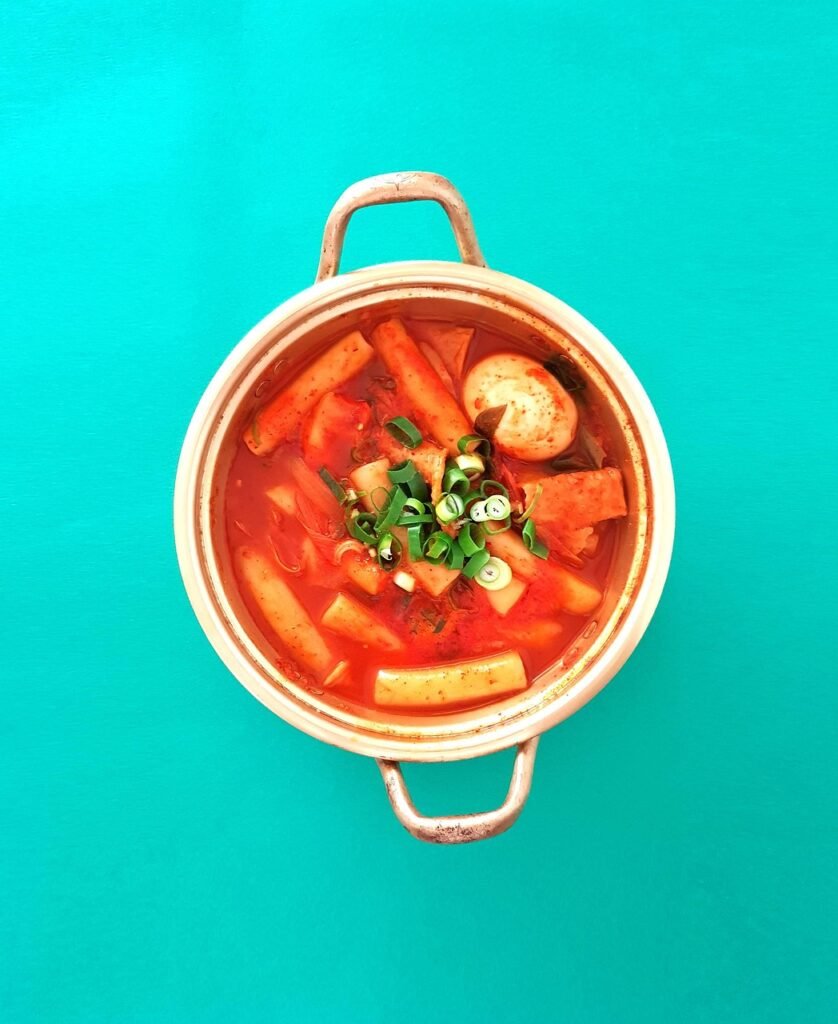
If there’s one thing Korean dramas do exceptionally well, aside from emotional storytelling and unforgettable romance, it’s food. A single eating scene in a K-drama can instantly make viewers crave ramen at midnight or search for the nearest Korean restaurant. From sizzling street food to warm home-cooked meals, food scenes in K-dramas are more than background details — they are a powerful part of the story.
Food in Korean TV series reflects emotions, relationships, and culture, making viewers feel deeply connected to the characters and their lives.
Why Food Plays Such an Important Role in K-Dramas
In Korean culture, sharing a meal is a sign of care, comfort, and connection. K-dramas use food scenes to show love without words, build intimacy between characters, and mark emotional turning points. A quiet bowl of soup can represent healing, while late-night street food often signals friendship or heartbreak.
These scenes feel real because they mirror everyday life, allowing viewers around the world to relate, even if they’ve never tasted Korean food before.
Iconic Food Scenes That Fans Can’t Forget
One of the most unforgettable sights in K-dramas is characters eating instant ramen straight from the pot. Whether it’s shared during a rainy night or after a long day, ramen scenes feel comforting and intimate. Dramas like Crash Landing on You and My Mister turned simple noodles into emotional moments that stayed with viewers long after the episode ended.
Street food scenes are equally irresistible. Skewers of fish cakes simmering in broth, spicy tteokbokki bubbling in red sauce, and hotteok filled with sugar and nuts often appear during late-night walks or heartfelt conversations. These scenes capture the warmth of ordinary life and make viewers crave food that feels alive and freshly made.
Korean barbecue scenes are another fan favorite. Watching meat sizzle on the grill while characters laugh, drink, or argue makes these moments feel energetic and social. These scenes often symbolize bonding, celebration, or emotional release after tense events.
Home-Cooked Meals and Emotional Comfort
Some of the most touching food scenes in K-dramas happen at home. A character preparing a simple meal for someone they care about often carries more emotional weight than a grand romantic gesture. Whether it’s a bowl of seaweed soup for a birthday or a carefully packed lunchbox, these moments highlight love, sacrifice, and family bonds.
Many viewers feel especially drawn to these scenes because they reflect universal experiences — being taken care of when you’re tired, sick, or emotionally drained.
How Food Scenes Increase Global Love for Korean Cuisine
K-dramas have played a major role in introducing Korean food to global audiences. Viewers often discover dishes like kimchi stew, fried chicken, bibimbap, and jjajangmyeon through dramas, sparking curiosity and cravings. It’s no surprise that Korean restaurants and food delivery searches spike after popular shows air.
Food scenes don’t just make viewers hungry; they inspire them to explore a new culture through taste.
Why Food Scenes Feel So Real and Appetizing
Unlike many shows where food is barely touched, K-dramas show characters actually eating. Slurping noodles, wrapping meat in lettuce, or fighting over the last bite makes the scenes feel natural and immersive. This authenticity pulls viewers into the moment, making them feel like they’re sitting at the table with the characters.
The combination of close-up shots, sound, and genuine reactions turns even simple meals into unforgettable scenes.